Electronic Medical Billing 101
Understanding Electronic Medical Billing vs. Paper Systems
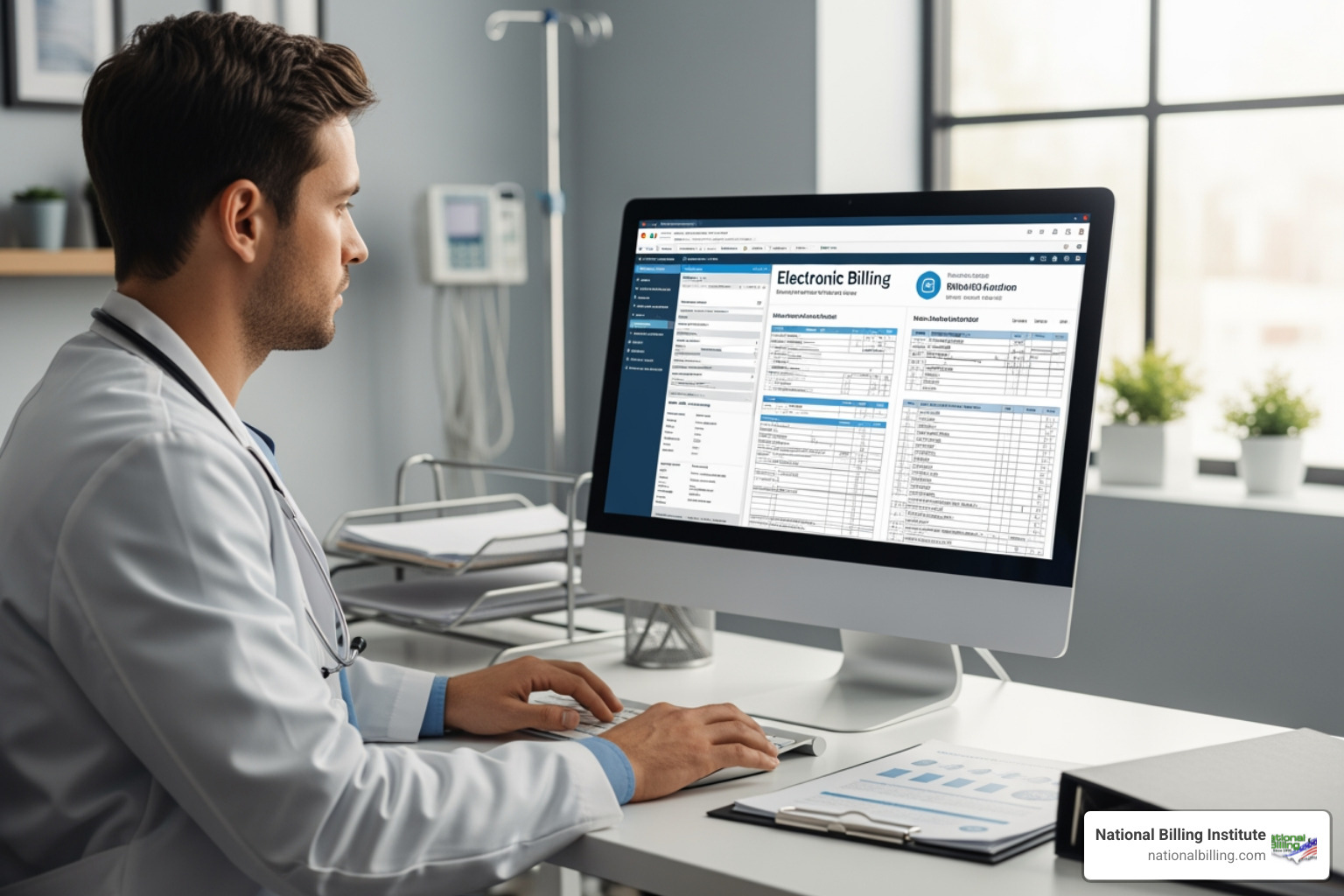
In the "old days" of healthcare, billing departments were often buried under mountains of CMS-1500 and UB-04 paper forms. If you’ve ever had to hunt through a filing cabinet for a claim that went missing in the mail, you know exactly why electronic medical billing has become the industry gold standard.
The differences between digital and paper-based systems are stark, impacting everything from your daily stress levels to your bottom line.
Feature Paper-Based Billing Electronic Medical Billing Processing Speed 30–45+ days 7–14 days Data Accuracy High risk of manual entry errors Automated validation and scrubbing Storage Costs High (physical space, filing, shredding) Low (cloud-based, encrypted storage) Administrative Overhead Intensive manual labor Streamlined, automated workflows Tracking "Mail and pray" Real-time status updates Environmental Impact High paper waste Eco-friendly, paperless
Traditional paper systems carry a heavy administrative burden. Beyond the cost of stamps and envelopes, manual Medical Billing is prone to human error. A single transposed digit in a patient’s ID number can lead to a rejection that takes weeks to identify and fix.
In contrast, electronic systems use "claim scrubbing" to catch these errors before they ever reach the payer. This digital transformation doesn't just save trees; it saves your staff from the repetitive, soul-crushing task of re-keying data, allowing them to focus on more complex revenue cycle tasks.
The Technical Framework: EDI, HIPAA, and ANSI 837
To the uninitiated, the technical side of electronic medical billing can sound like alphabet soup. However, these standards are the "rules of the road" that ensure your data travels safely from your office to the insurance company.
EDI and the ANSI 837 Format
Electronic Data Interchange (EDI) is the automated transfer of data in a specific format. Think of it as a universal language that different computer systems use to talk to each other. The specific "dialect" used for healthcare claims is the ANSI 837 format. Whether you are submitting professional, institutional, or dental claims, they must be formatted according to these X12 standards to be accepted.
HIPAA and Security Protocols
Under HIPAA regulations, protecting patient data isn't just a good idea—it’s the law. Electronic billing systems must use advanced data encryption to ensure that Protected Health Information (PHI) remains secure during transmission. This is where RCM Medical Coding and billing software work together to maintain compliance.
ASCA Requirements
The Administrative Simplification Compliance Act (ASCA) generally mandates that healthcare claims be submitted to Medicare electronically. According to Electronic Health Care Claims | CMS, Medicare only accepts paper claims under very limited exceptions. If you want to get paid by CMS, you must play by the digital rules.
The Lifecycle of a Digital Claim
Understanding the journey of a claim helps identify where things can go wrong—and how to fix them.
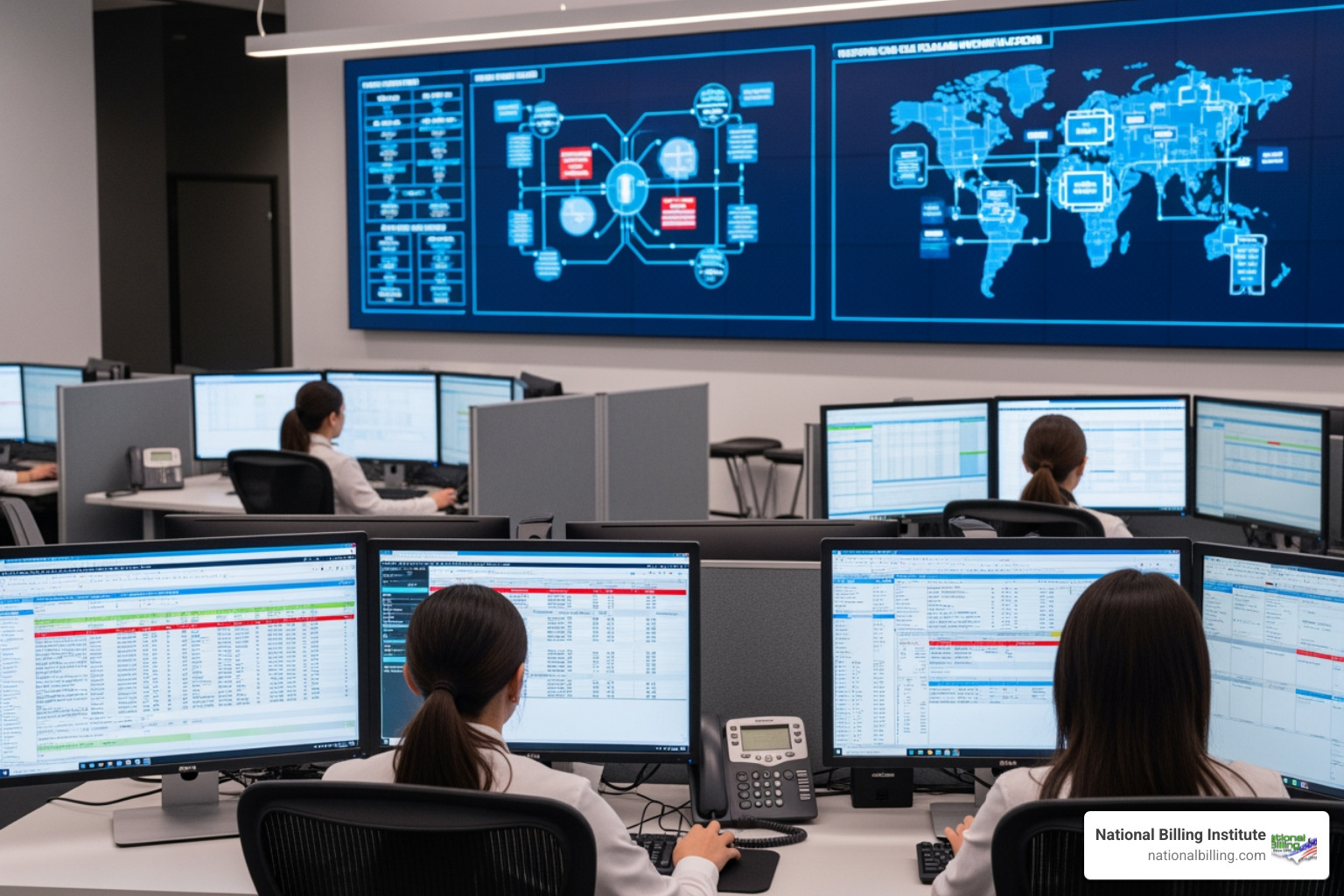
The process begins with Web-based Medical Billing tools that allow providers to enter data from anywhere. Once the data is entered, it undergoes a rigorous verification process.
Initiating the Electronic Medical Billing Process
The first step is claim submission. Once you hit "send," the claim usually travels to a clearinghouse. Think of the clearinghouse as a high-tech post office that also acts as an editor. It performs "front-end edits" to check for missing information, invalid codes, or formatting issues.
According to Electronic Billing & EDI Transactions - CMS, these edits are crucial. If a batch of claims fails front-end HIPAA standards, the entire batch might be rejected, requiring immediate correction. By catching these issues early, the clearinghouse ensures that only "clean" claims reach the payer.
Adjudication and Payment Posting
Once the payer receives the claim, they begin "adjudication"—the process of deciding how much to pay based on the patient's benefits and your contract. In the digital world, this results in an Electronic Remittance Advice (ERA), which is the electronic version of an Explanation of Benefits (EOB).
Modern Claims Processing Software Healthcare allows for automated payment posting. Instead of a staff member manually typing in payment amounts from a paper check, the software automatically reconciles the ERA with the original claim. This reduces manual labor and virtually eliminates posting errors.
Specialized Requirements for Workers' Compensation
While general health claims follow national standards, Workers' Compensation often has its own set of rules. Navigating these can be tricky, as they often vary by state.
Organizations like the IAIABC (International Association of Industrial Accident Boards and Commissions) have developed model rules and companion guides to help standardize electronic billing for workers' comp. For example, in California, the Division of Workers' Compensation (DWC) has specific e-billing regulations adopted in 2012.
When using USA Medical Billing Services, it is vital to ensure your partner understands these jurisdictional profiles. California’s State Fund, for instance, expressly prohibits submitting medical bills via fax or email, requiring either approved electronic channels or specific paper formats. Using the right companion guides ensures you meet state-specific technical requirements and code sets, preventing unnecessary delays in these often-complex cases.
Future Trends: AI and EHR Integration
The future of electronic medical billing is already here, and it’s powered by Artificial Intelligence. We are moving beyond simple "if-then" rules into the era of Agentic AI—autonomous systems that can learn and adapt.
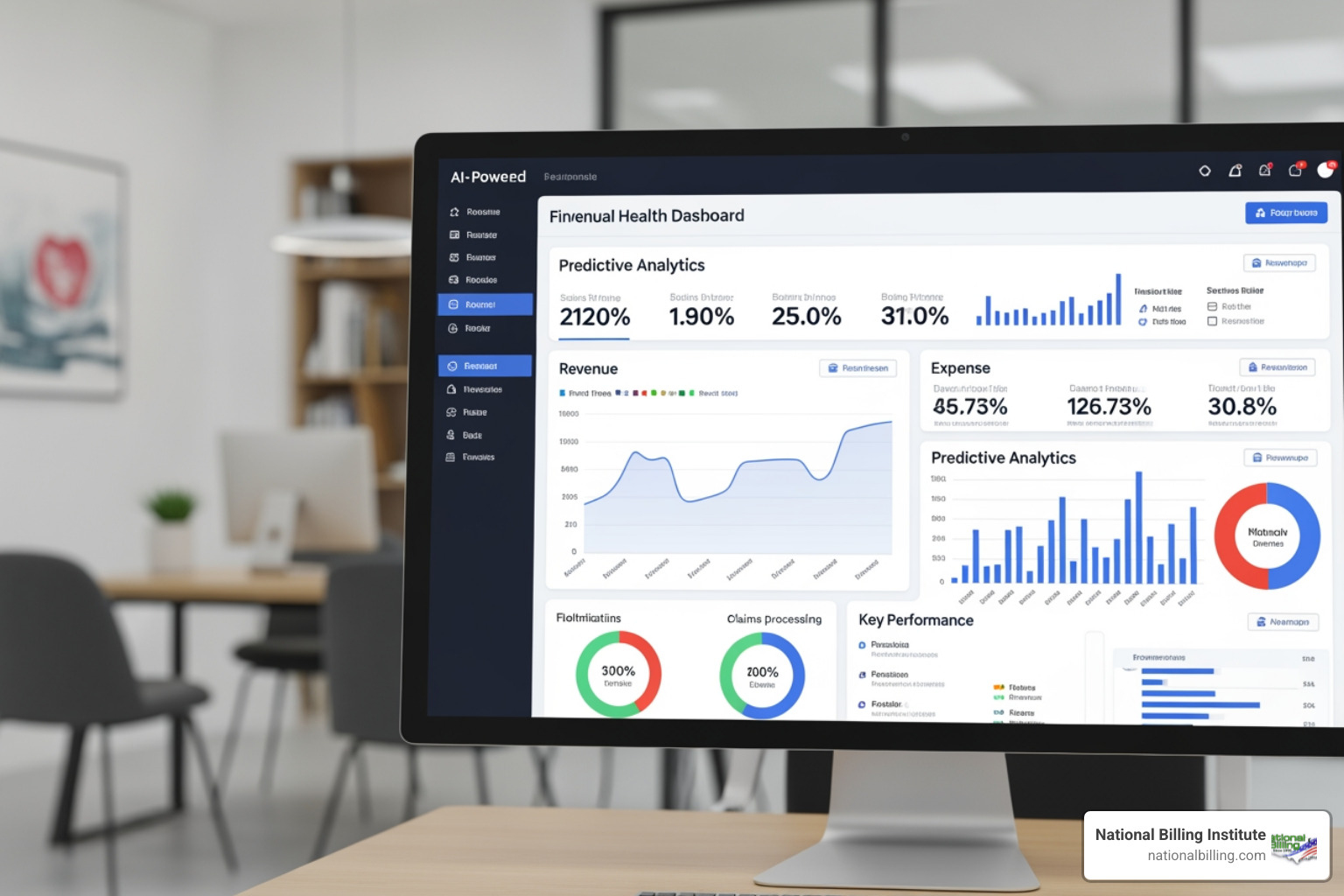
One of the most significant advancements is the deep integration between Electronic Health Records (EHR) and billing systems. When AI in Healthcare Claims Processing is built directly into the EHR, it can analyze progress notes using Natural Language Processing (NLP) to suggest the most accurate codes. This reduces "algorithmic downcoding"—a practice where payers use their own AI to systematically reduce the level of service billed, leading to an average 5.5% hidden variance leakage for many practices.
Predictive analytics can now identify "Claim Alarms"—the mathematically optimal time to follow up on a claim before it hits a timely filing limit. Automated appeals can even generate payer-specific appeal letters with a single click, fighting back against the algorithms that payers use to auto-deny claims.
Optimizing Financial Performance
At the end of the day, billing is about the health of your practice. To stay profitable, you need to look beyond "vanity metrics" like the clean claim rate. In 2026, a 98% clean claim rate doesn't mean much if your actual collections are down.
Instead, we focus on the True Net Collection Ratio (NCR). Surprisingly, 73% of medical groups don't track this accurately, leading to hidden revenue loss. By using Healthcare Billing Services that provide real-time financial visibility, you can spot revenue leakage as it happens.
Reducing Denials in Electronic Medical Billing
The best way to handle a denial is to prevent it. High-performing RCM teams achieve a first-pass acceptance rate of over 98%, compared to the industry average of 91%. When denials do happen, having an automated follow-up system is essential.
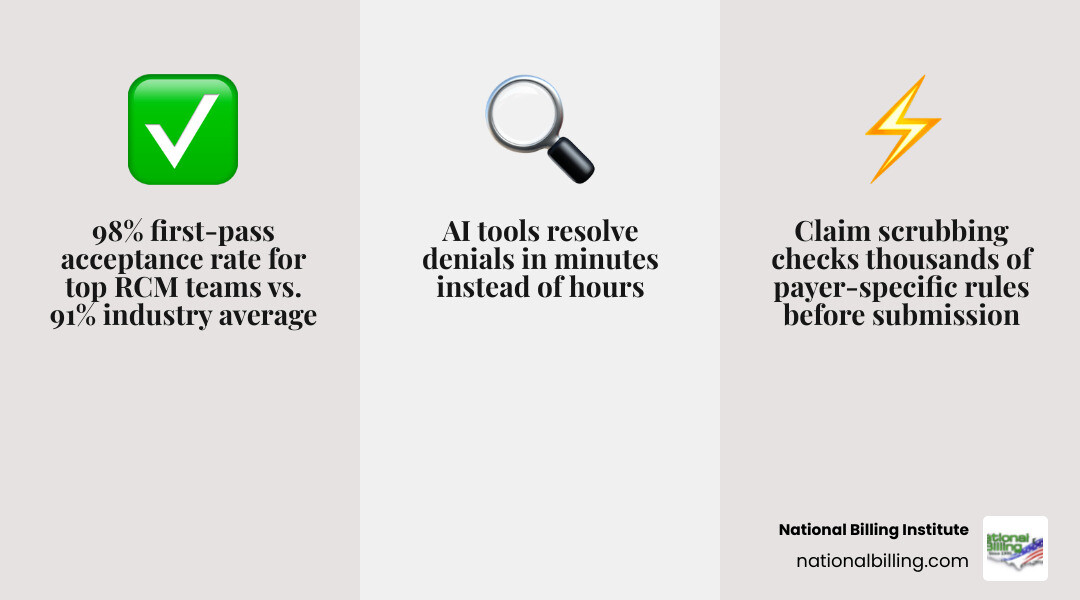
By using "claim scrubbing" engines that check against thousands of payer-specific rules, we can ensure that claims are accurate before they are sent. If a denial occurs, AI-powered tools can provide automated coding advice to resolve the issue in minutes rather than hours.
Enhancing Patient Experience through Electronic Medical Billing
Billing isn't just a back-office function; it’s a key part of the patient experience. Modern patients—especially younger ones—expect transparency and convenience.
Electronic medical billing enables:
Real-time eligibility checks: Telling the patient exactly what they owe before they leave the office.
Mobile checkout: Allowing patients to pay via text or email links.
Patient portals: Giving patients 24/7 access to their statements and payment history.
Trust building: Accurate, easy-to-understand digital statements reduce "billing surprises" that can damage the provider-patient relationship.
Frequently Asked Questions about Electronic Billing
What is the difference between medical billing and medical coding?
While often grouped together, they are distinct steps. Medical coding is the process of translating a healthcare provider’s notes into standardized alphanumeric codes (like ICD-10 for diagnoses and CPT for procedures). Medical billing takes those codes and incorporates them into a claim to be submitted to an insurance company for payment. Coding is the "translation," while billing is the "collection."
How does a clearinghouse ensure HIPAA compliance?
Clearinghouses act as a secure bridge. They use high-level encryption (similar to what banks use) to protect data during transit. They also perform "HIPAA validation" on every claim, ensuring that the file contains all the required data elements mandated by federal law. By scrubbing the data for errors and ensuring it meets X12 standards, they prevent non-compliant data from reaching the payer.
What are the primary benefits of EDI for Medicare providers?
For Medicare providers, EDI is often a requirement under ASCA. Beyond compliance, the benefits include significantly faster processing times—claims are typically adjudicated in 14 days or less compared to 30+ for paper. It also provides an electronic "audit trail" through acknowledgment reports, so you know exactly when Medicare received your claim and if it passed initial edits.
Conclusion
The world of electronic medical billing is constantly evolving, but the goal remains the same: ensuring you are paid fairly and quickly for the vital care you provide. In an era where payers are using increasingly complex technology to delay or reduce payments, you cannot afford to rely on outdated manual processes.
At National Billing Institute, our 100% USA-based team in Boca Raton, FL, brings over 30 years of experience to the table. We don't just process claims; we defend your revenue. Our clients typically see a 15-30% increase in revenue and enjoy some of the lowest denial rates in the industry. We combine the power of AI-automated processing with the personal touch of a dedicated expert team to ensure your practice thrives.
Ready to stop the revenue leaks and out-compute the payer algorithms? More info about our services is just a click away. Let us show you how a modern, HIPAA-compliant approach to billing can transform your financial future.
