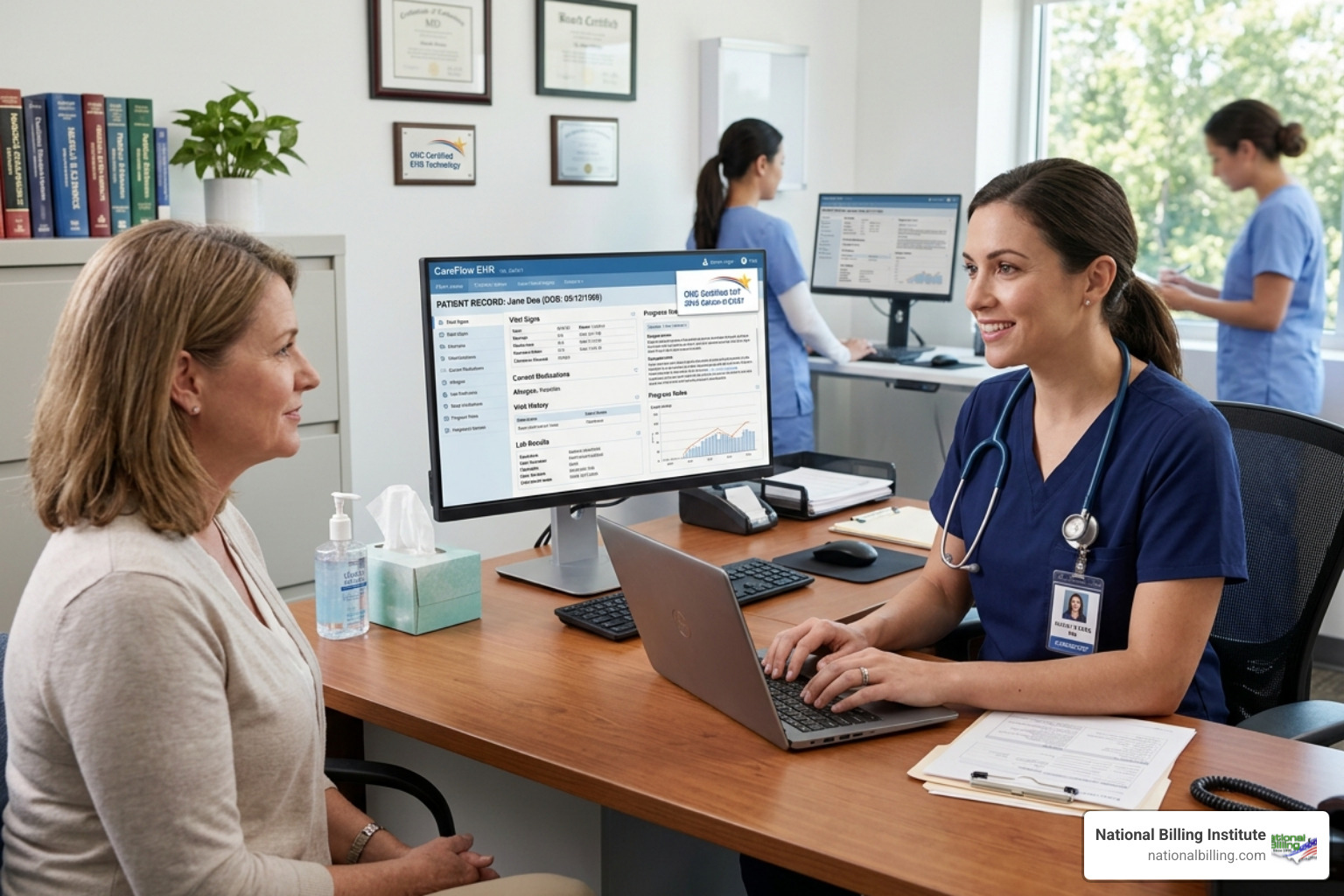
Don't Miss Out on Incentives with ONC Certified EHR Systems
Why Certified EHR Systems Are Essential for Your Practice in 2026
Certified EHR systems are electronic health record platforms that have been officially tested and approved by the Office of the National Coordinator for Health Information Technology (ONC) to meet federal standards for security, interoperability, and clinical functionality.
Here is a quick breakdown of what you need to know:
Topic Key Point What they are EHR platforms certified by ONC to meet federal standards Who oversees them ONC sets standards; CMS enforces them through incentive programs Why they matter Required for MIPS, Promoting Interoperability, and federal incentives Risk of skipping Up to 9% downward Medicare payment adjustment How to verify Search the Certified Health IT Product List at chpl.healthit.gov
If you bill Medicare or Medicaid, your EHR certification status is not a minor detail — it directly affects your reimbursements.
Healthcare providers are already stretched thin. Between quality reporting, interoperability mandates, and rising administrative pressure, the last thing your practice needs is a surprise payment penalty. Yet that is exactly what happens when providers unknowingly run software that does not meet current federal certification requirements.
The stakes are real. A 9% downward Medicare payment adjustment is on the table for practices that fail to meet MIPS Promoting Interoperability requirements. And beyond the financial hit, uncertified systems create data silos, security gaps, and care coordination failures that ripple through your entire practice.
Accurate, structured patient data is the backbone of modern healthcare — and certified EHR systems are the foundation that makes it possible.
I'm Olivia Harper, Founder and Denial Management & Reimbursement Specialist at National Billing Institute, with over 30 years of hands-on experience in revenue cycle management, where certified EHR systems play a central role in maximizing collections and minimizing claim denials. Understanding how these systems connect to your billing workflow is critical, and that is exactly what this guide covers.
Understanding CEHRT and Standards for Certified EHR Systems
When we talk about certified EHR systems, we often use the acronym CEHRT, which stands for Certified EHR Technology. But what does "certified" actually mean in the eyes of the federal government?
At its core, CEHRT refers to technology that has been evaluated by an ONC-Authorized Certification Body (ONC-ACB). These bodies ensure the software can perform specific tasks—like e-prescribing, capturing structured data, and sharing information securely—that align with the goals of the Department of Health and Human Services (HHS).
Two major organizations pull the strings here:
The ONC (Office of the National Coordinator for Health IT): They set the technical standards and certification criteria. Think of them as the architects of the digital health landscape.
CMS (Centers for Medicare & Medicaid Services): They manage the incentive programs and payment adjustments. They are the ones who check if you are actually using the "blueprints" the ONC provided.
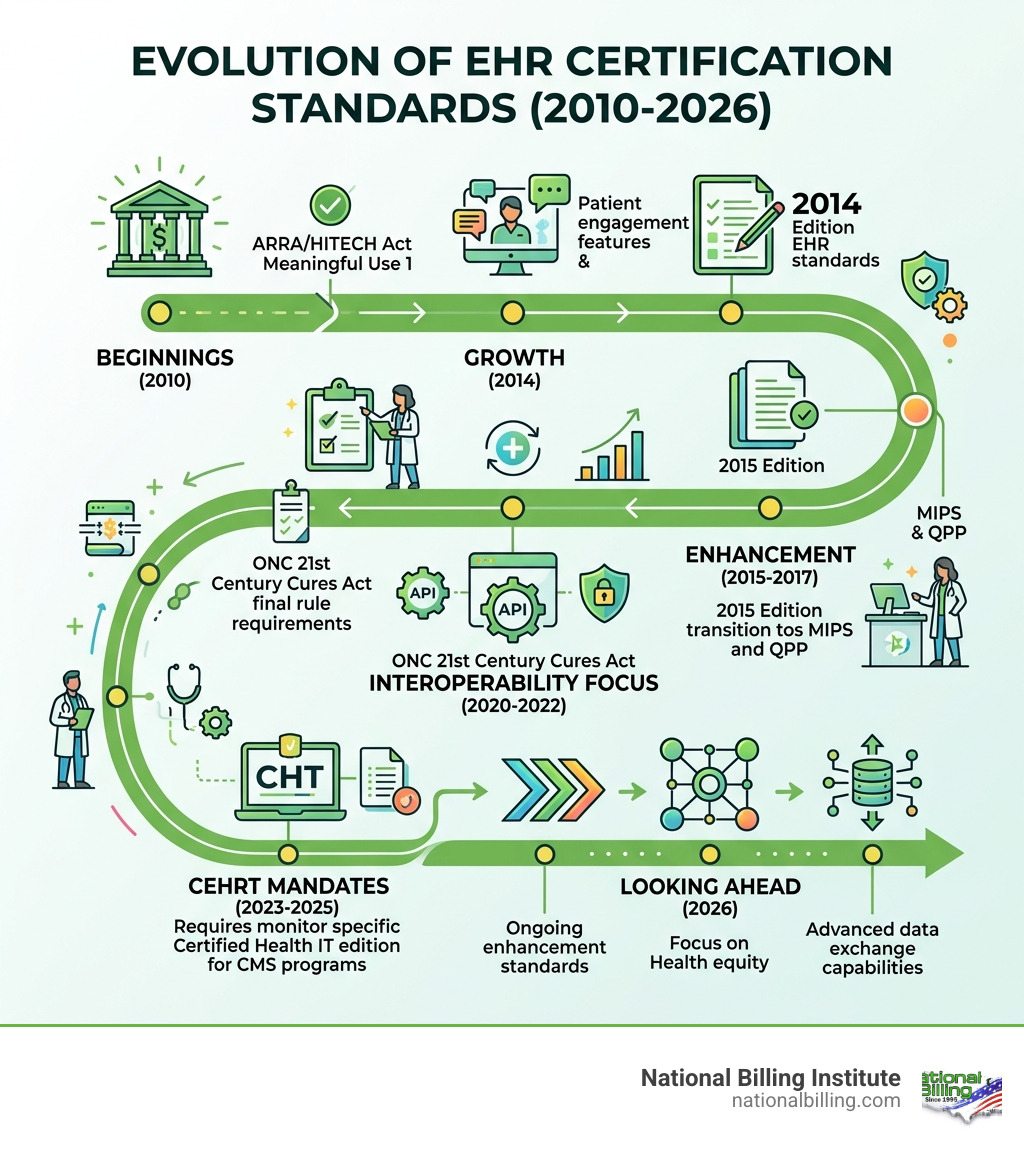
As of April 2026, the gold standard is the 2015 Edition Cures Update. This update, born from the 21st Century Cures Act, shifted the focus from merely "having" an EHR to ensuring that the EHR can actually "talk" to other systems. This involves the USCDI (United States Core Data for Interoperability), a standardized set of health data classes and constituent data elements for nationwide health information exchange.

By utilizing Certified EHR Technology - CMS, providers ensure that their data is stored in a structured format. This isn't just for the sake of organization; structured data allows for easy retrieval, transfer, and use of health information across different care settings, which is vital for HIPAA compliance and patient safety.
Key Criteria for Certified EHR Systems
To earn the "certified" badge, a system must pass a gauntlet of requirements. Currently, there are approximately 60 certification criteria organized into 8 functional categories. These categories cover everything from how a doctor enters an order to how the system protects a patient's social security number.
The 8 functional categories include:
Clinical Processes: CPOE (Computerized Provider Order Entry), drug-drug interaction checks, and demographics.
Care Coordination: Transitions of care and the ability to send/receive referrals.
Privacy and Security: Encryption, access control, and audit trails.
Electronic Exchange: The ability to share data with other providers and public health agencies.
Clinical Quality Measurement: Calculating and reporting quality data to CMS.
Patient Engagement: Providing patients with access to their records via APIs or portals.
Public Health: Reporting immunizations and syndromic surveillance.
Health IT Design and Performance: Ensuring the system is reliable and user-friendly.
Criteria Category 2015 Edition (Original) 2015 Edition Cures Update (2026 Standard) Interoperability Basic data exchange (CCD) Advanced FHIR APIs & USCDI Standards Patient Access View, Download, Transmit (VDT) App-based access via standardized APIs Information Blocking Not explicitly addressed Mandatory anti-information blocking Data Export Limited export capabilities EHI Export for single patients & populations
Why Your Practice Needs Certified EHR Systems to Maximize Incentives
We often hear from providers who wonder if the headache of upgrading to certified EHR systems is worth it. The answer is a resounding "yes," primarily because of the Quality Payment Program (QPP).
Under the MIPS (Merit-based Incentive Payment System), one of the most critical categories is Promoting Interoperability (PI). To earn points in this category—and avoid a massive penalty—you must use CEHRT. In the 2026 performance year, the requirements are stricter than ever.
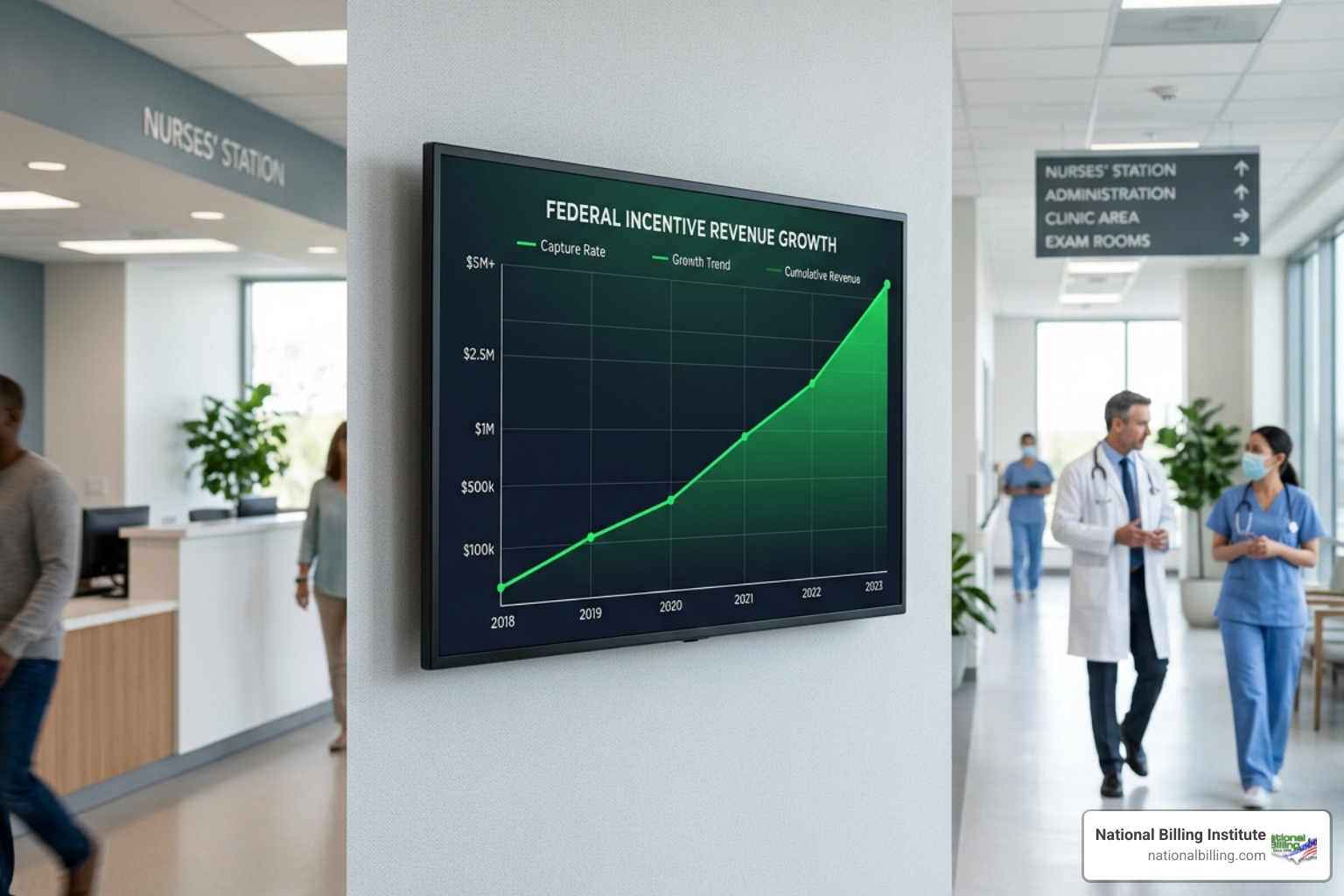
If you aren't using a certified system, you are essentially leaving money on the table and inviting a 9% downward payment adjustment on your Medicare Part B reimbursements. For a busy practice, that 9% can represent tens of thousands of dollars in lost revenue.
Beyond avoiding penalties, using certified EHR systems streamlines your participation in:
Meaningful Use (now Promoting Interoperability): Ensuring you are using technology to actually improve care, not just digitize paper.
MIPS Value Pathways (MVPs): Specialized reporting tracks that simplify MIPS for specific specialties.
Advanced APMs (Alternative Payment Models): Which often require CEHRT for participation.
At National Billing Institute, we see the direct correlation between CEHRT usage and clean claims. When your EHR is certified, it generates the structured data our AI-automated systems need to process claims with the lowest denial rates in the industry.
Benefits of Certified EHR Systems for Patient Care
It’s easy to get bogged down in the "billing" side of things, but let’s not forget why we do this: the patients. Certified EHR systems significantly enhance the quality of care you provide.
A startling statistic from the Kaiser Family Foundation found that one in five people surveyed found a mistake in their EHR. Of those, nearly half had incorrect medical histories. Certified systems help mitigate these risks through:
Data Accuracy: Standardized templates and mandatory fields reduce the likelihood of "copy-paste" errors or missing information.
Reduced Medical Errors: Built-in drug-drug and drug-allergy interaction alerts provide a safety net for prescribing.
Care Coordination: When a patient moves from your clinic to a specialist, CEHRT ensures their history follows them. No more relying on the patient to remember their exact dosage of Lisinopril.
Patient Portals: Certified systems must allow patients to access their records. This transparency engages patients in their own care, leading to better outcomes.
For those looking to specialize in this field, the Certified Electronic Health Records Specialist (CEHRS) - NHAnow credential is a great way to ensure your staff understands the complexities of maintaining these systems. A well-trained CEHRS can audit records for compliance and ensure that patient demographic and insurance information is captured accurately from the start.
Navigating Compliance and the Risks of Non-Certified IT
Running your practice on non-certified software is a bit like driving without insurance—it might work for a while, but when something goes wrong, it's a disaster.
The risks of using non-certified technology include:
Data Silos: Your information can't "talk" to the hospital down the street, leading to fragmented care.
Audit Failures: If CMS audits your MIPS submission and finds you weren't using a certified system for the required duration, they can claw back your incentives.
Security Vulnerabilities: Non-certified systems may not meet the rigorous encryption and audit trail standards required by the ONC, leaving you open to data breaches.
Information Blocking Penalties: The 21st Century Cures Act makes it illegal to "block" health information. Certified systems are designed to facilitate sharing; non-certified systems often make it difficult, which could lead to legal trouble.
To stay safe, always verify your vendor’s status. Organizations like the Drummond Group have been testing EHR solutions since 2010, providing a seal of approval that guarantees the system meets federal standards. You can verify any product yourself by checking the CHPL (Certified Health IT Product List) at healthit.gov.
The EHR Certification Process and Ongoing Compliance
For an EHR vendor, getting certified isn't a "one and done" event. It is an ongoing commitment to quality and transparency. The process generally involves:
Preparation: The vendor aligns their software with the 60+ ONC criteria.
Third-Party Testing: An ONC-Authorized Testing Laboratory (ONC-ATL) puts the software through its paces in a controlled environment.
Real-World Testing: This is a newer requirement. Vendors must submit annual test plans (usually in November) and results (in February) showing how their system performs in actual clinical settings.
Ongoing Maintenance: As regulations change (like the shift to 2026 standards), vendors must update their software and recertify.
Key technical features you should look for in your 2026 compliance review include FHIR APIs (Fast Healthcare Interoperability Resources). These allow third-party apps to connect safely to the EHR. Additionally, the EHI Export function is now mandatory, allowing you to export a patient's entire electronic health information—not just a summary—whenever needed.
Some modern systems even include Predictive Decision Support Interventions (DSI). These AI-driven tools help clinicians make better decisions, but under the Cures Update, they must be transparent. You have a right to know what data the AI is using to make its recommendations.
Common Questions Regarding Health IT Compliance
How can I verify if my current software is a certified EHR system?
The only definitive way to check is via the Certified Health IT Product List (CHPL) at chpl.healthit.gov. You can search by vendor name or product version. If your specific version isn't listed as "2015 Edition Cures Update" compliant, you may be at risk for the 2026 performance year.
What are the 180-day requirements for MIPS Promoting Interoperability in 2026?
To avoid penalties and earn points in the PI category, you must use a certified EHR system for a continuous period of at least 180 days within the 2026 calendar year. This is an increase from previous years, so ensure your system is ready to go by July 1st at the latest to meet the window.
What are the risks of using non-certified EHR technology for specialty practices?
Specialty practices, such as physical therapy or behavioral health, often feel they don't "need" the same features as a primary care doc. However, the 2024 and 2025 Physician Fee Schedules ended many of the automatic reweighting "passes" for these specialties. Using non-certified tech now means you are ineligible for the PI category, which almost guarantees a MIPS penalty and makes it harder to coordinate care with the rest of the patient's medical team.
Conclusion
Navigating certified EHR systems can feel like learning a second language, but it is a language every practice must speak to thrive in 2026. From securing federal incentives to ensuring your patients receive the safest, most coordinated care possible, CEHRT is the engine that drives a successful modern practice.
At National Billing Institute, we understand that your focus should be on your patients, not on deciphering ONC spreadsheets. That’s why we offer full-service medical billing and revenue cycle management solutions that integrate seamlessly with your certified technology.
Our 100% USA-based team in Boca Raton, FL, brings over 30 years of experience to the table. We specialize in AI-automated claims processing that leverages the structured data from your EHR to achieve the industry's lowest denial rates. Most of our clients see a 15-30% increase in revenue simply by tightening their compliance and billing workflows.
Don't let outdated technology or administrative hurdles eat into your hard-earned revenue. Let us handle the complexities of HIPAA-compliant billing while you focus on what you do best.
Ready to boost your practice's revenue? Contact National Billing Institute today to learn how our expert team can optimize your billing cycle.
